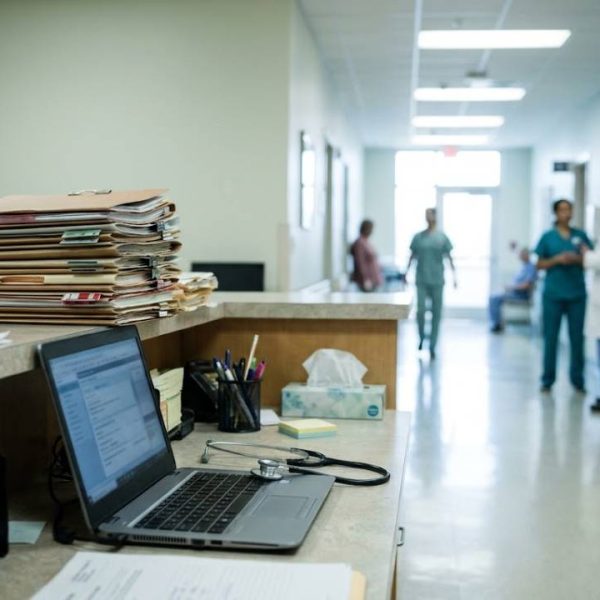
People move, travel and retire abroad, and their health history goes with them. When a patient steps into a new clinic in a new country, the first question is often the same: where are the records?
A folder full of papers in another language is not much use at a busy reception desk. Records need to be understood before they can help anyone.
Why Records Matter So Much
A medical record is the story of a patient's health. It lists diagnoses, allergies, medicines, test results and past operations.
Doctors use it to avoid repeating tests and to avoid harmful drug combinations. A single missing line about an allergy can change the whole treatment plan.
When records cannot be read, clinicians fall back on guesses and repeat work, which costs time and money.
The Problems That Appear Most Often
Handwriting is the first hurdle, followed by local abbreviations that no outsider recognises. A shorthand note that is routine in one hospital may be a mystery in another.
Drug names differ too. The same medicine can carry several brand names, and dosage units are not always written the same way.
Dates cause quiet errors. A date written as 03/04 means March in one country and April in another.
Working Between Portuguese and English
Many families move between Brazil, Portugal, Angola and English speaking countries. Their records come with them in Portuguese, and clinics abroad need clear English versions.
Offices that handle portuguese to english translation know to check units, abbreviations and drug names against standard references. That attention reduces the risk of confusion at the point of care.
Regional differences matter as well. Brazilian and European Portuguese use different words for common medical terms.
Who Needs Translated Records
Patients are the obvious group, but they are not the only one. Insurers need records to approve claims, and employers may need them for fitness certificates.
Researchers also rely on translated records for studies that involve several countries. In every case, accuracy and privacy come first.
Universities and visa offices often ask for health statements too, and they will not accept papers they cannot read.
What a Good Translation Includes
A reliable translation keeps the structure of the original: headings, tables, stamps and signatures. It marks unclear handwriting rather than guessing.
It also keeps a note on anything that was not translated, such as a logo or a stamp. A reviewer can then see exactly what was changed.
Teams that provide medical record translation usually involve a reviewer with health knowledge, since clinical terms are easy to mix up.
Protecting Privacy
Health data is among the most private information a person owns. Anyone handling it must follow clear rules about storage, access and deletion.
Ask providers how files are transferred, who can see them and when they are erased. The National Institutes of Health publishes useful guidance on handling health information responsibly.
Records that travel with a patient are only as useful as the clinician at the other end can read, and the handover problems described above are rarely caused by missing files. A discharge summary, an allergy list or a medication history that has been rendered loosely is worse than no record at all, because it invites a confident wrong decision. Hospitals and clinics that take this seriously commission medical translation services where the terminology is checked by someone who understands what the abbreviations mean clinically.
Patients should also feel free to ask for a copy of every translated file and keep it with their own papers.
Tips for Patients Moving Abroad
Ask your doctor for a summary of your history before you leave. A one page summary of conditions, medicines and allergies is often more useful than a thick file.
Request copies of test results and imaging in digital form. Keep originals and translations together, and store a backup in a secure place.
Bring a list of medicines with their generic names, since brand names change between countries.
Tips for Clinics and Hospitals
Clinics that welcome international patients can prepare in advance. Create standard forms in the main languages your patients speak, and agree on a glossary of common terms.
Train staff to ask about language needs at the first contact. A simple question at registration can prevent errors later in the visit.
Keep a list of trusted interpreters and translators, so there is a plan when a complex case arrives.
Common Questions Patients Ask
Many patients wonder whether they need to translate everything. In most cases, no. Focus on recent diagnoses, current medicines, allergies, surgeries and anything the new doctor requests.
Others ask how long it takes. Short summaries can be ready quickly, while long hospital files with scans and lab reports need more time for accurate review.
A third question is whether a family member can help. A relative can explain a situation in conversation, but official offices and insurers usually expect a professional to prepare written versions.
Finally, patients ask what to do when a record contains an error. Contact the original clinic, request a correction and keep proof of the request for your own files.
Looking Ahead
Digital health systems are making records easier to share, but language remains the last mile. A well organized, well translated file lets doctors focus on the patient instead of the paperwork.
Anyone planning care across borders should treat language as part of the medical plan. A little preparation now can prevent a lot of worry later.